
Benefits of spirulina: properties, uses, and tips
The benefits of spirulina make it one of the most appreciated superfoods in the world. Thanks to its extraordinary content of proteins, vitamins, and minerals, this microalga supports energy, vitality, and everyday well-being.
Discover how to incorporate spirulina into your diet and what advantages it can offer your body.
What is Spirulina and why it’s considered a superfood
The spirulina (Arthrospira platensis) belongs to the cyanobacteria family, often called “microalgae.” It grows naturally in alkaline, warm waters and is distinguished by its characteristic spiral shape. Today it is cultivated in controlled facilities to ensure purity and consistent quality standards.
In short: it is a highly concentrated food source of protein, amino acids, vitamins, minerals and antioxidant pigments (such as phycocyanin).
Spirulina: nutritional properties
- Complete, highly bioavailable proteins.
- Naturally occurring essential amino acids.
- Vitamins A, E, and the B group.
- Mineral salts such as iron, magnesium, and potassium.
- Antioxidant pigments (phycocyanin, chlorophyll, carotenoids) and unsaturated fatty acids.
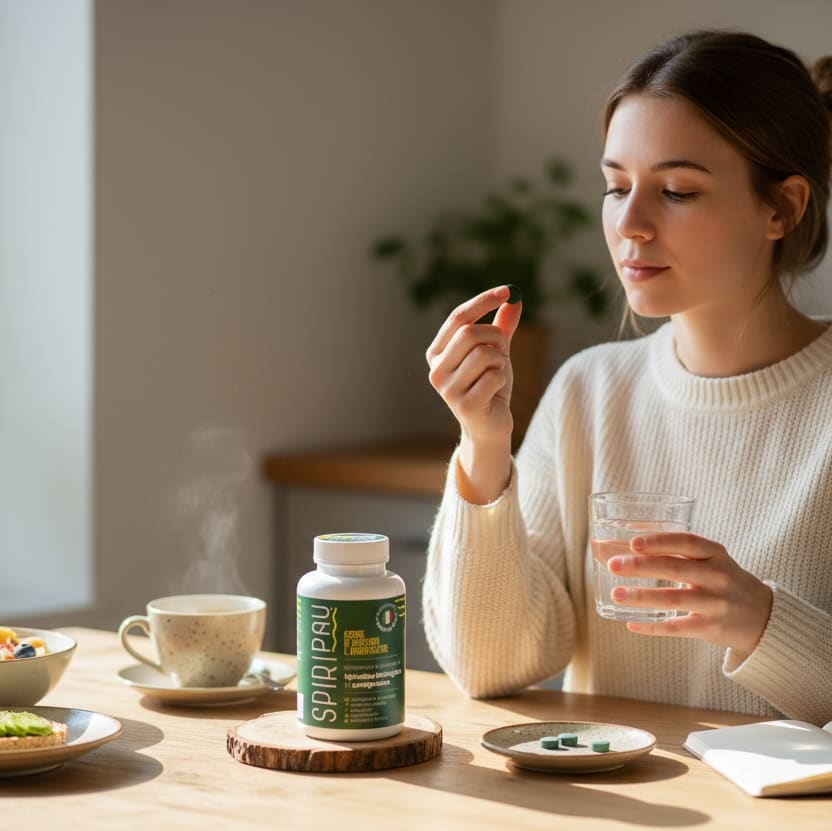
Benefits of spirulina
Below are the benefits of spirulina most often cited in nutritional literature (they do not replace medical advice):
- Antioxidant action: phycocyanin and carotenoids help counter oxidative stress.
- Immune support: micronutrients and pigments may support the normal immune response.
- Tone and energy: its high nutrient density can help during periods of fatigue or increased needs.
- Metabolic well-being: useful as nutritional support in weight management programs alongside a balanced diet and physical activity.
- Lipid profile: some studies associate spirulina intake with an improvement in total/LDL cholesterol and maintenance of HDL.
- Sports recovery: protein intake and antioxidants support recovery and adaptation to training.
- Skin and related structures: nutrients involved in collagen synthesis and keratinization support skin and hair.

What it’s used for:
real-life use cases
- More energy in everyday life: during periods of mental or physical strain.
- Weight management: as a filling and restorative support in low-calorie nutrition plans supervised by a specialist.
- Seasonal changes and defenses: as support during the colder months or in times of stress.
- Sport and performance: pre/post-workout to support recovery and muscle adaptation.
- Skin and hair: as a nutritional booster within in/out routines (supplementation + topical spirulina-based skincare).
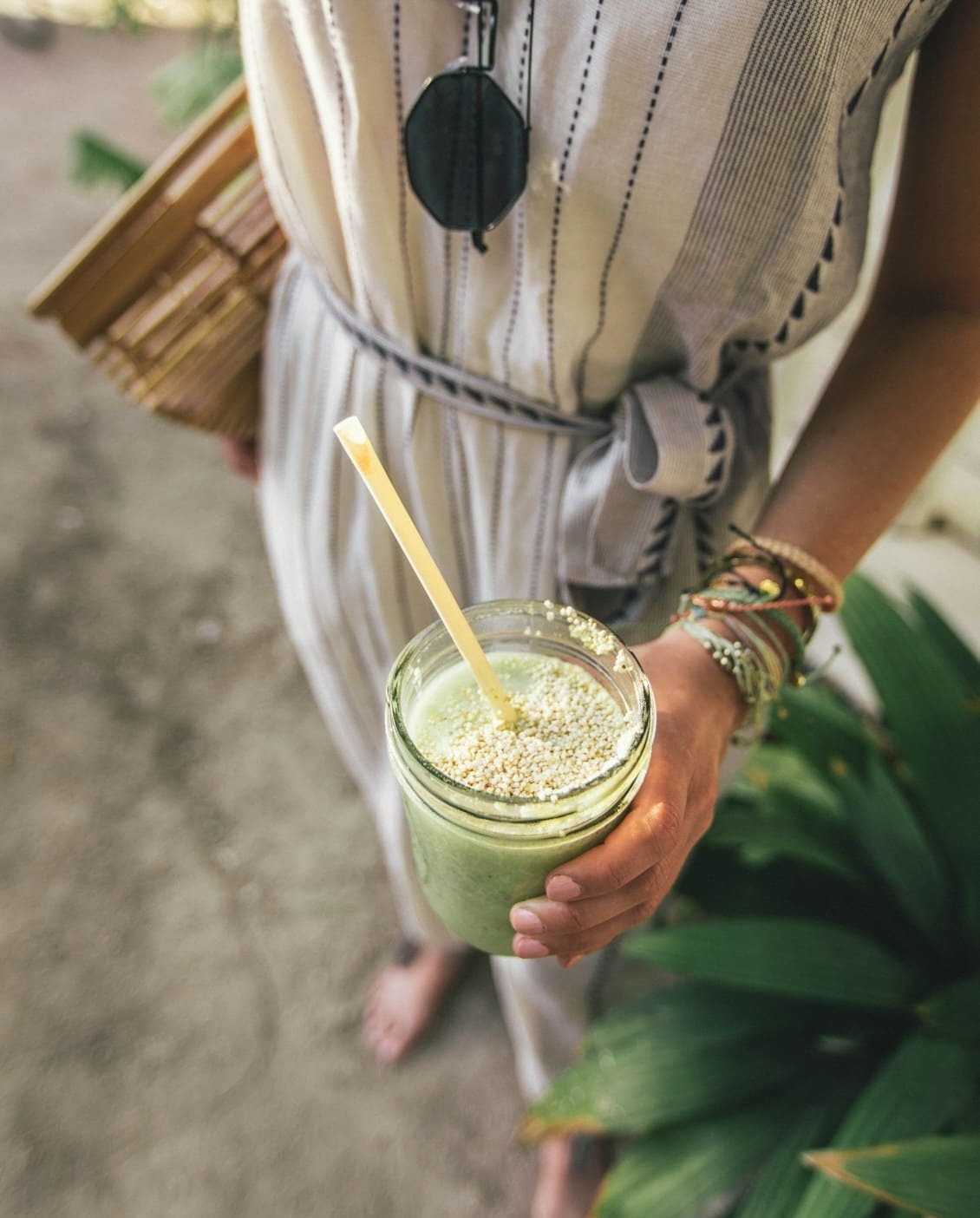
How to take spirulina (dosage and timing)
- Suggested daily dose: 2–5 g of dried spirulina.
- Athletes or higher demands: up to 8–10 g in agreement with your health professional.
- Timing: at breakfast or lunch; for sports 60–90 minutes before (energy) or within 60 minutes after (recovery).
- Hydration: increase your water intake during supplementation.
Formats and practical uses:
- Tablets/capsules: convenient and easy to dose.
- Powder: in smoothies, yogurt, bowls, doughs (bread/fresh pasta), and high-protein recipes.
- Flakes/snacks: as a topping for salads, soups, and muesli.
Warning: supplements are not intended as a substitute for a varied, balanced diet and a healthy lifestyle.
Contraindications and side effects
It is good practice to avoid use or seek medical advice in cases of:
- Anticoagulant therapy (due to its vitamin K content).
- Phenylketonuria (it contains phenylalanine).
- Autoimmune diseases (evaluate on a case-by-case basis with a specialist).
- Pregnancy and breastfeeding: use only if recommended by a doctor.
- Known allergies to its components.
Quality and safety: choose products with traceable batches, testing for microcystins, anatoxins, and heavy metals, and low-temperature drying to preserve the nutritional profile. Spiripau guarantees batch traceability and analytical reports available for each production lot.




